Open House Melbourne’s mission is to connect people to place, informing and empowering them to play an active role in shaping their environment.
With a proven track record of delivering community programming and engaging diverse audiences, our place-based and people-centric approach to community consultation is designed to inform, inspire and foster meaningful participation.
We bring our experience in design, community engagement and cultural programming to connect people with the places they live, work and care about. We work alongside partners and communities across:
+ Strategic programming + place-based initiatives
+ Community engagement + participation
+ Evaluation, research + insights
+ Strategic Advisory
Strategic programming + place-based initiatives
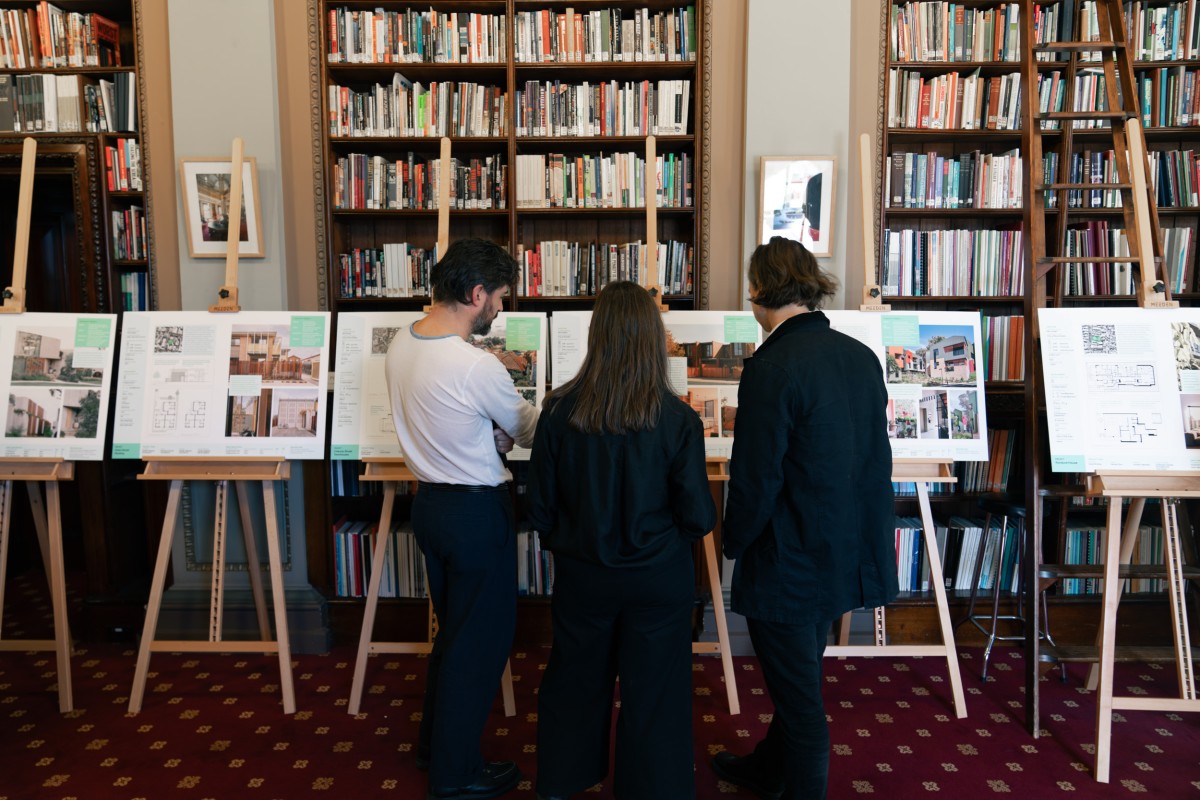
Open House Melbourne delivers strategic programming that draws on our storytelling, design and heritage expertise to build audience knowledge. We create accessible and welcoming ways for people to engage with key issues and projects shaping our cities and communities.
Strategic programming includes open days, talks, tours and activations that:
+ Are co-designed with partners to respond to place, themes and community interests
+ Engage diverse audiences
+ Build partnerships across government, cultural, education and community sectors
+ Generate data, audience insights and opportunities for evaluation
Open House Melbourne embeds creative and accessible opportunities for active participation within our programs, supporting baseline surveys and broader evaluation frameworks. This ensures engagement is both meaningful and measurable, and programming is strategically aligned with evidence and impact.
Community consultation + participation
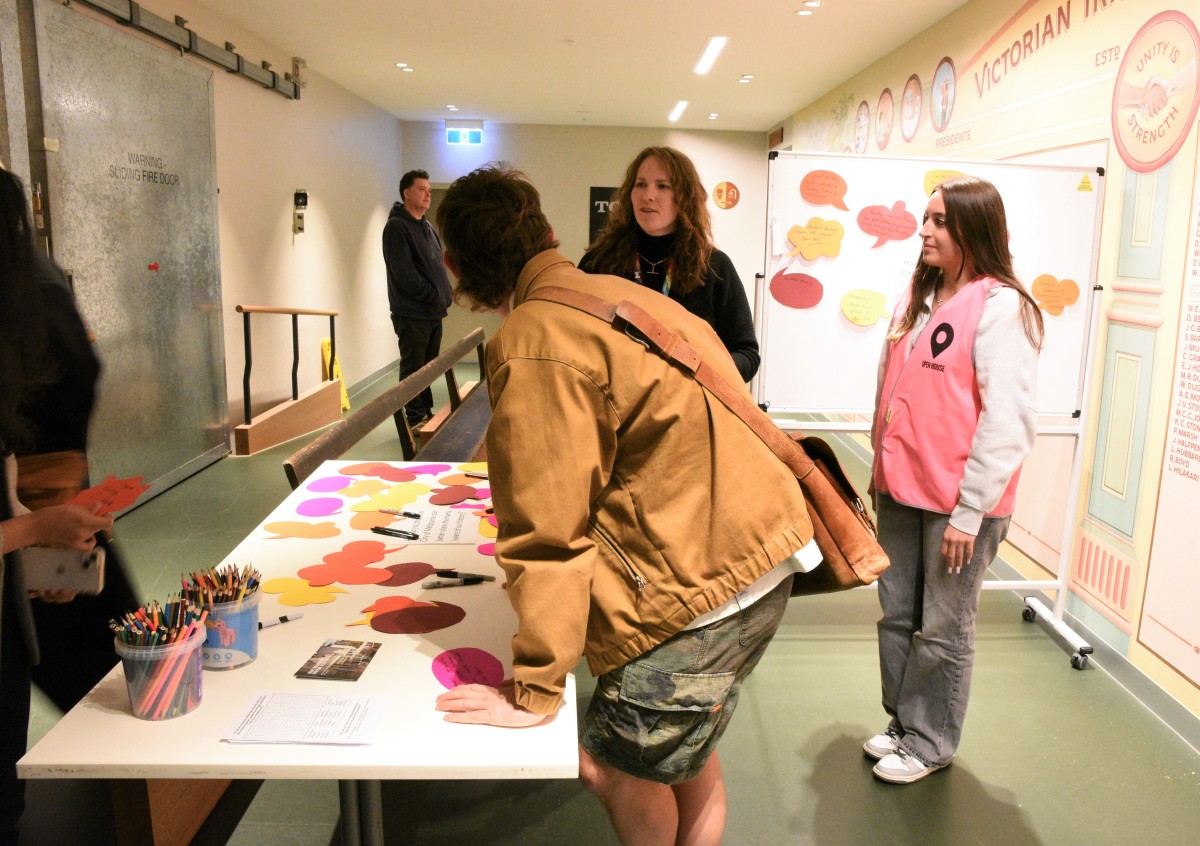
Open House Melbourne delivers end-to-end, co-designed, community engagement design, from design and planning through to delivery and management. We tailor our approach to each project, drawing on a range of engagement processes and tools, including:
+ Talks, tours, workshops and participatory activations
+ Place-based and thematic public programs
+ Audience engagement and inclusive participation, connecting to established audiences, and place-based networks.
+ Community feedback and data collection, including development of engagement materials, surveys and communication assets
Working alongside communities, stakeholders and experts, we co-design programs that respond to local priorities, challenges and opportunities. These initiatives create accessible and engaging ways for people to build a deeper understanding of place and participate in conversations about the future of their communities.
Through this approach, we empower people to play an active role in shaping the future of their built and natural environments.
Evaluation, research + insights
Our approach to data helps uncover what matters, measures impact and builds deeper understanding of how people connect with places, programs and ideas.
This includes:
+ Qualitative and quantitative data collection, analysis and community sentiment assessment.
+ Coding and analysis of engagement data
+ Engagement reporting
+ Monitoring and evaluation
We analyse data to identify key patterns and themes, capture community sentiment, assess the impact of our work and generate meaningful insights. These findings help build a deeper understanding of communities, places and outcomes, while supporting informed decision-making.
Our reporting is tailored to the needs of each project and audience.
Strategic Advisory
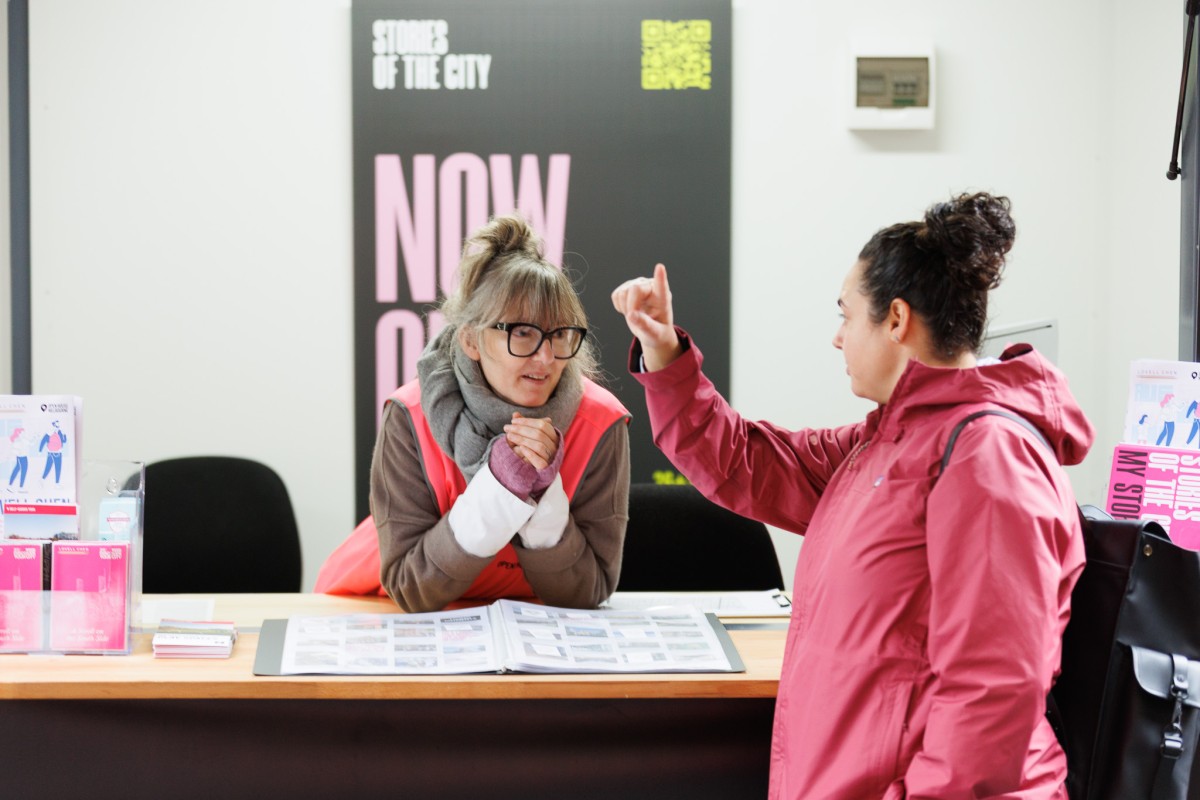
We provide strategic advice focused on elevating public understanding of the built environment and informing better decision-making across the sector.
Our work includes:
+ Contributing to community and sector conversations on place, design and liveability
+ Advising partners on engagement approaches, public programming and inclusive participation
+ Working with partners to translate community perspectives into strategic actions
+ Providing independent advice on engagement processes, outcomes and best practice
Through this work, we help shape more responsive, inclusive and informed approaches to the built environment, ensuring community voices are embedded in broader planning and policy conversations.
Draft Heritage Strategy Community Consultation
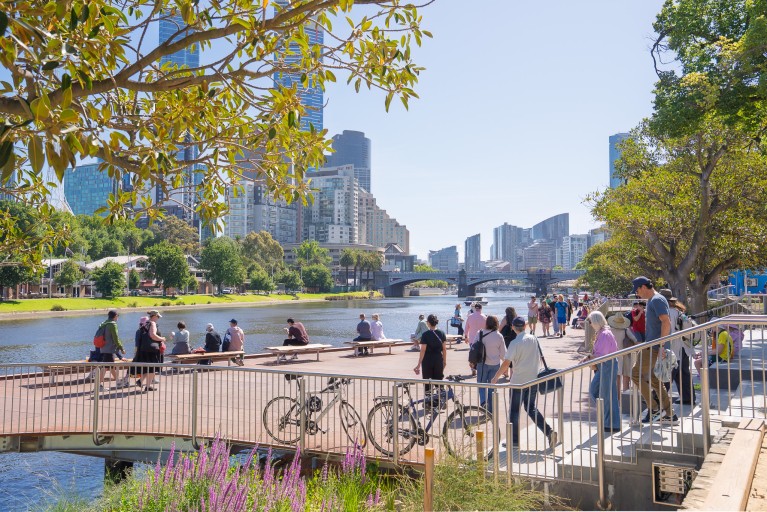
The City of Melbourne engaged Open House Melbourne to design and deliver a program to facilitate community feedback on the Draft Melbourne Heritage Strategy: Stories of People and Place (Draft Strategy).
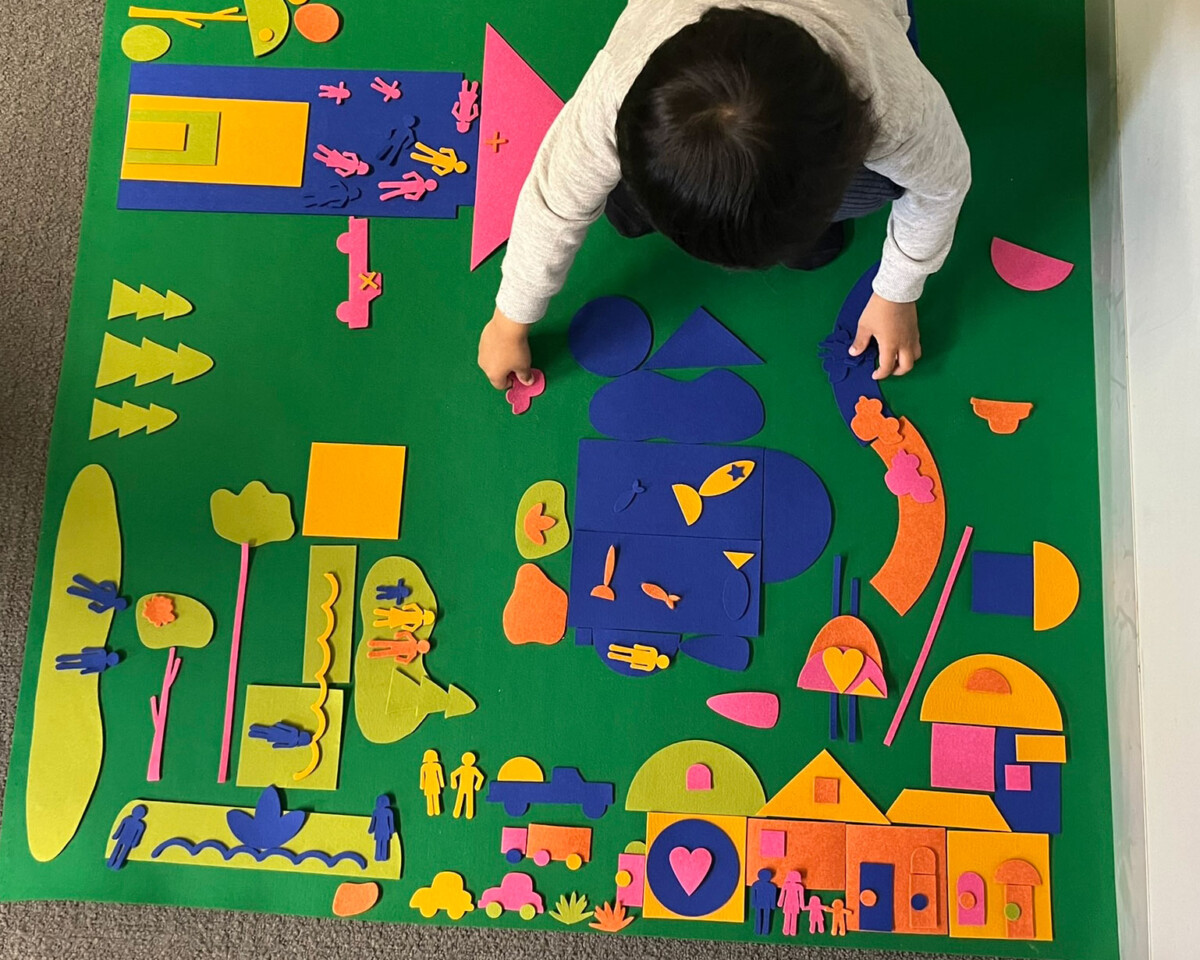
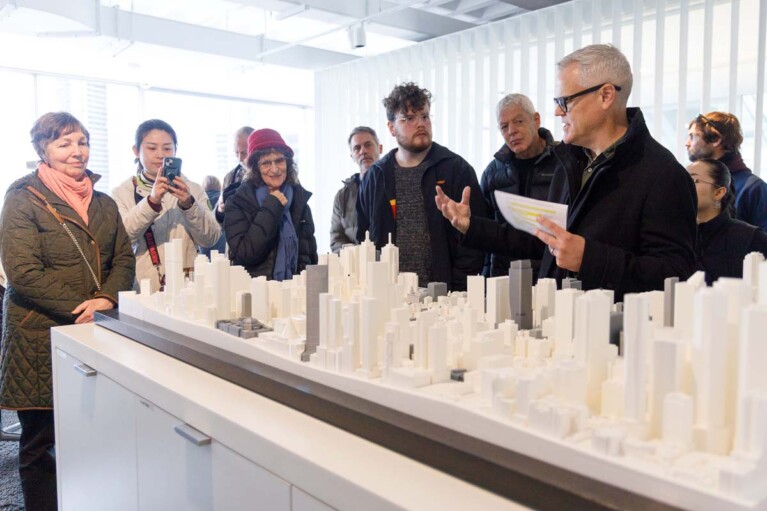
The six-week consultation featured a multifaceted engagement program that combined education, conversation, participation and reflection. Activities included two public panel discussions, a family-focused Open Play workshop, an Open Studio for tertiary students and three key stakeholder Walkshops. These were complemented by an online Participate Melbourne survey.
By blending conversation, experience and reflection, the program not only informed the Strategy’s development but also broadened the city’s collective understanding of what heritage means today, and how it is shaped into the future.
Plan for Victoria
As part of the State Government’s Plan for Victoria community consultation, Open House Melbourne partnered with the Department of Transport and Planning to deliver public engagement events across metropolitan Melbourne and regional Victoria.
DTP’s Plan for Victoria project team co-located at strategic festival venues, while the regional program featured design talks, tours, and children’s workshops in venues showcasing thoughtful planning and good design.
By enhancing design literacy and fostering open, constructive conversations, we equipped participants with the tools to engage meaningfully in urban planning.
Footscray Hospital + Wyndham Law Courts Open Days
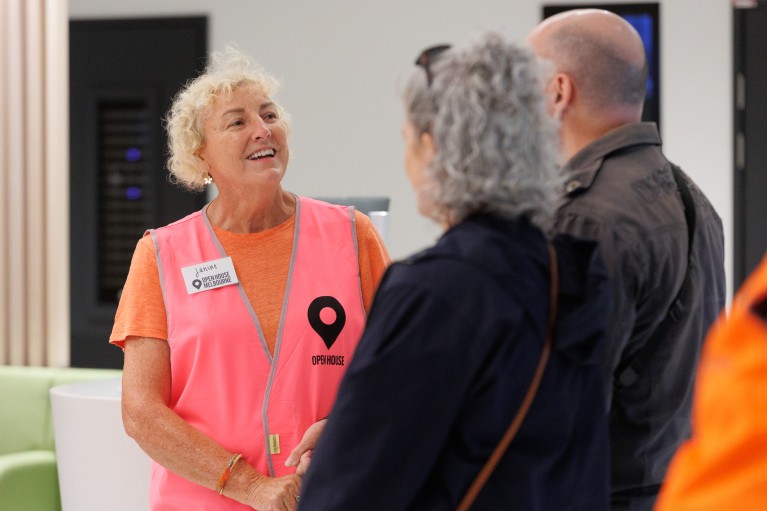
The Footscray Hospital Community Open Day invited the public to explore the hospital before it officially opened. Using a self-guided audio tour, visitors were able to move at their own pace through key spaces including the main foyer ‘Hospital Street’, the Emergency Department and an inpatient ward. At each stop they could hear from hospital staff, artists and the design team about the vision and innovations behind the project.
The new Wyndham Law Courts Open Day offered the opportunity to step inside the Magistrates’ Court, VCAT, the Koorie Court and the Children’s Court. Visitors were invited to wander through the spaces, speak with designers, artists, court and tribunal staff and deepen their understanding of the import role design plays in a court user’s experience and the day-to-day operations of a court facility.
Rail as Civic Infrastructure
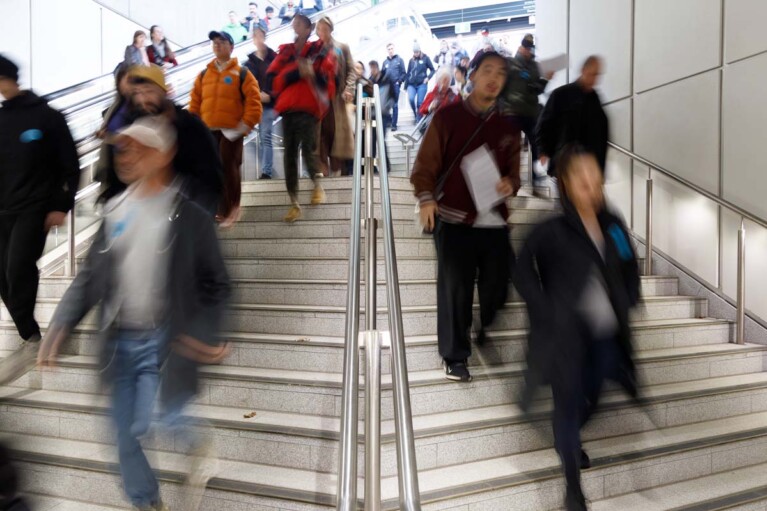
As part of Open House Melbourne’s Catalyst Conversation series, the event Rail as Civic Infrastructure provided a forum for community consultation and education, inviting the public to engage with the design of the Metro Tunnel’s five new stations.
Architect Ivan Harbour (Rogers Stirk Harbour + Partners) delivered a keynote address and Ingrid Bakker (Hassell) presented detailed insights into how each station’s design will contribute to urban connectivity and public space activation. A panel discussion with the two speakers and Victorian Government Architect Jill Garner, provided a platform for dialogue between experts and the public.
This event was designed to inform, inspire, and provide a space for questions to the architects on the design of the project.
Next steps
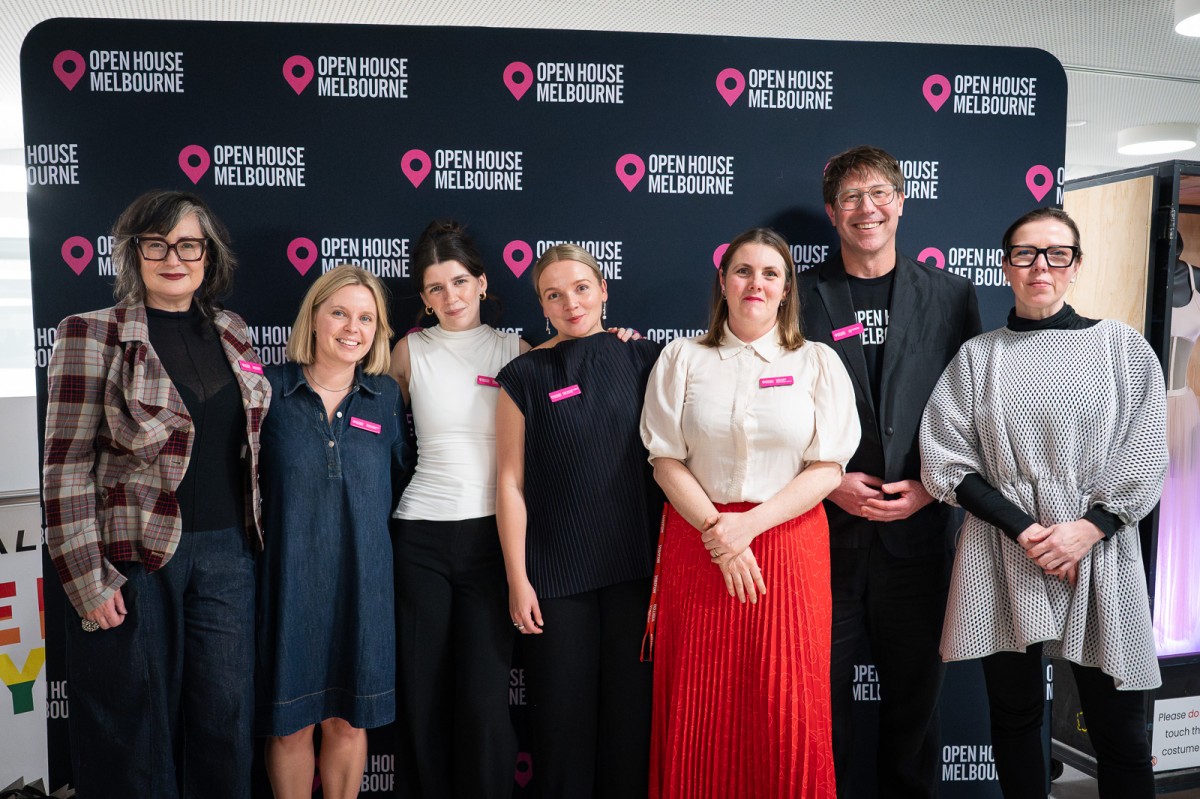
To chat further about your project and how the Open House Melbourne team can support your community consultation endeavours, email info@ohm.org.au.