
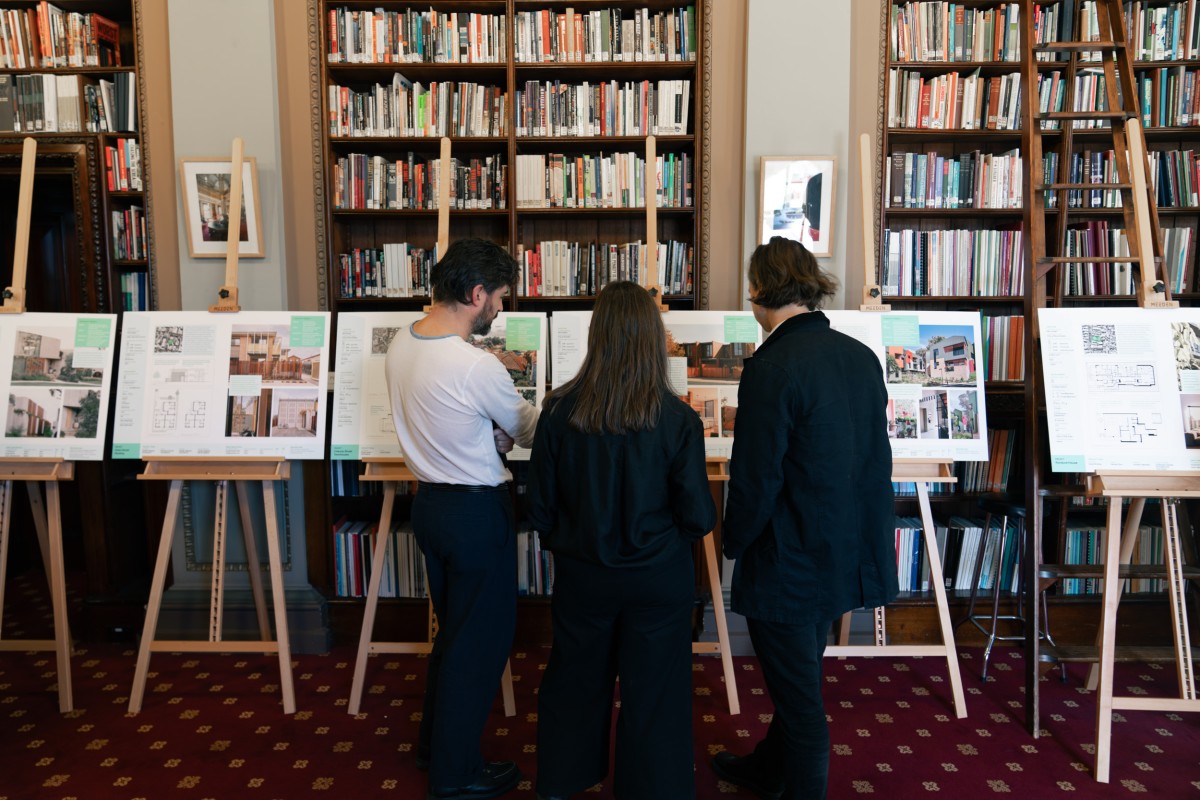
Density Done Well
What does density done well look like? As Melbourne grows, we need more homes, but we also need neighbourhoods that are liveable, sustainable and connected. This itinerary brings together projects that demonstrate how thoughtful design can create better housing outcomes at every scale, from historic apartment buildings and community-focused social housing to build-to-rent communities and emerging urban villages. (All programs featured in this itinerary are listed at the bottom of this page.)
Begin your Weekend with a snapshot of density done well examples from across Melbourne at the Density Done Well exhibition, curated by the Housing Committee of the Victorian Chapter of the Australian Institute of Architects. It showcases diverse housing projects from across Victoria that demonstrate successful approaches to housing density.
Experience density within a masterplanned neighbourhood at Mirvac’s The Fabric in Altona North, where homes, green spaces, community gardens and everyday amenities are woven together to create a vibrant and sustainable residential precinct.
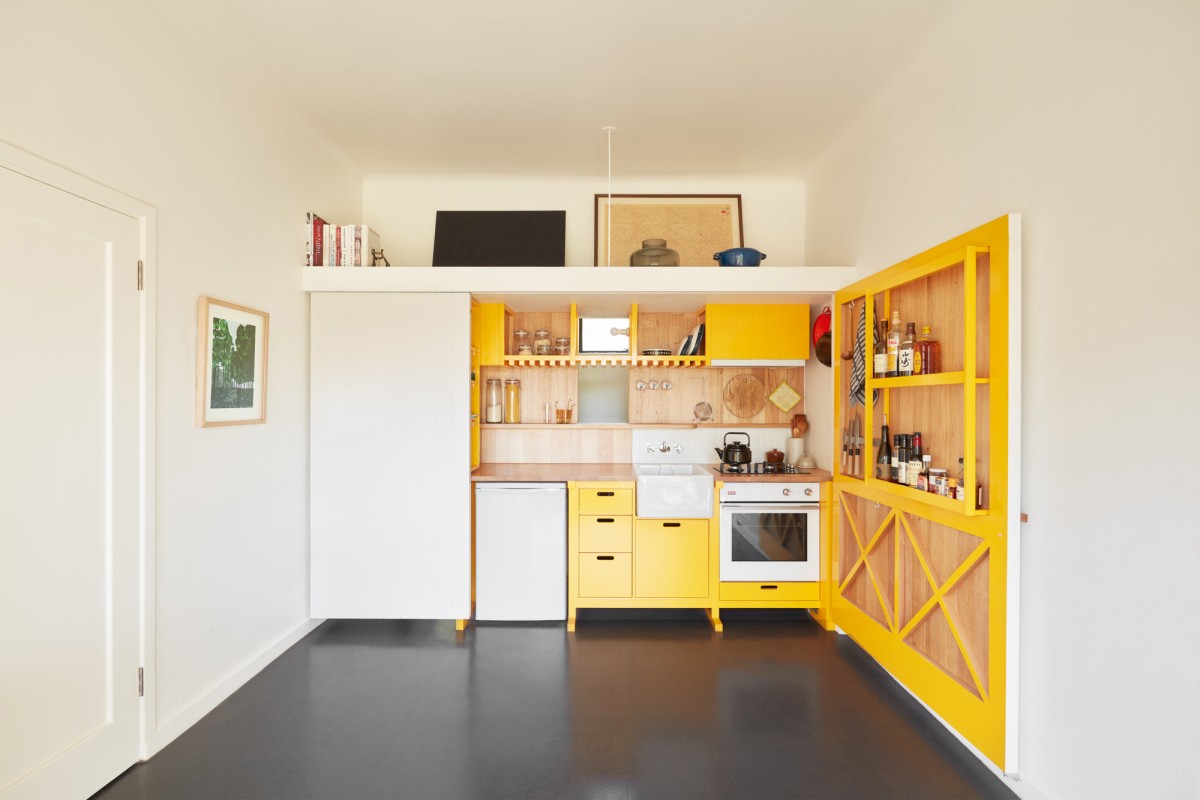
The Conquering Flat: Continental Living (St Kilda) and Cairo Flats in (Yarra), demonstrate how apartment living emerged as a response to Melbourne’s housing challenges nearly a century ago. These pioneering projects introduced new ways of living more compactly, while maintaining amenity, efficiency and community.
Continue to Stanhill Apartments, one of Australia’s finest examples of European Modernism. Designed by Frederick Romberg, this landmark apartment building demonstrates how ideas around density, shared living and modern urban lifestyles have shaped Melbourne’s housing story for generations.
Fast-forward to contemporary housing models at Nine Wilson Ave, where dual-aspect apartments, shared circulation spaces and a generous central courtyard demonstrate how medium-density housing can support community, sustainability and long-term liveability.
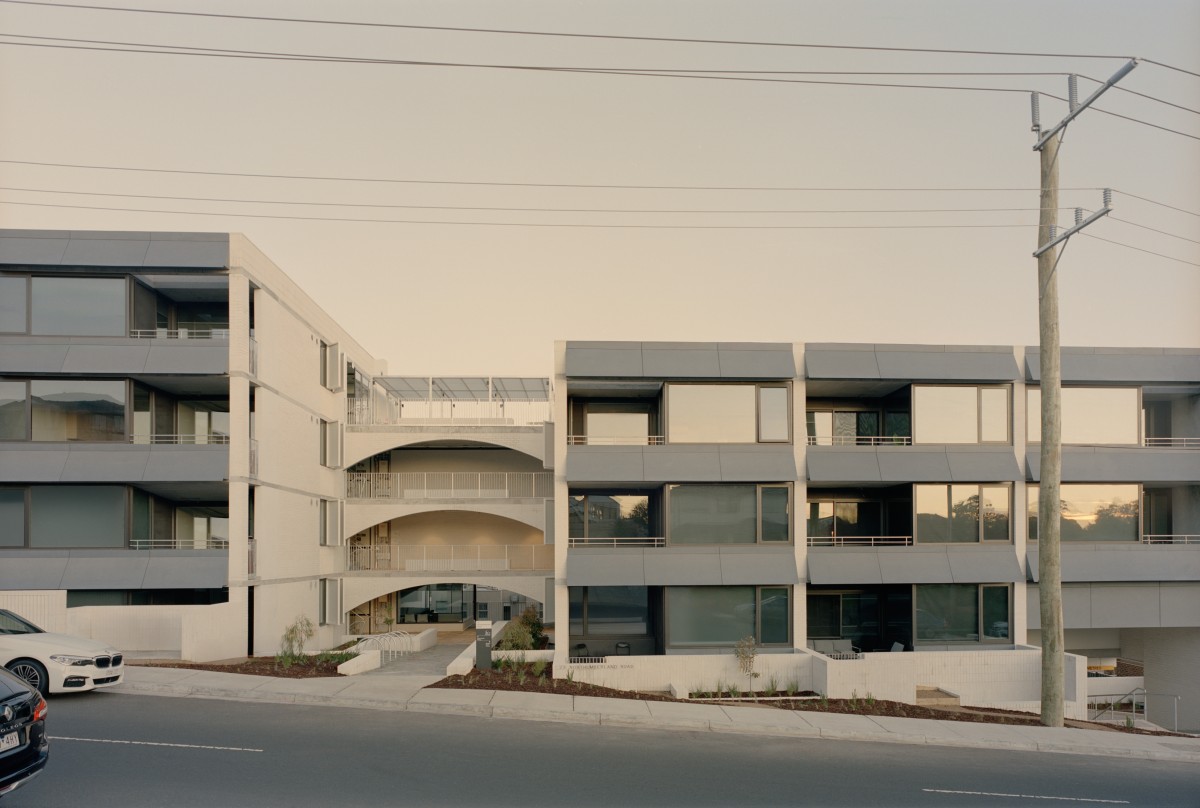
Nearby, Two Sisters offers a thoughtful response to urban infill, combining compact build-to-rent townhouses, family homes and public realm improvements within a highly sustainable development that strengthens connections between neighbours and the wider community.
Explore how density can support thriving neighbourhoods at Anstey Village, where transit-oriented development, walkability and a mix of housing, public space and local amenities are shaping an evolving urban village around public transport infrastructure.
Discover how renting can become a long-term housing choice at Local: Kensington, a pioneering build-to-rent community that combines sustainability, affordability and shared amenities within a connected residential campus. Nearby, Swift Walk expands this conversation, showcasing a new model for delivering social and affordable housing at scale through partnerships between government, investors and community housing providers.
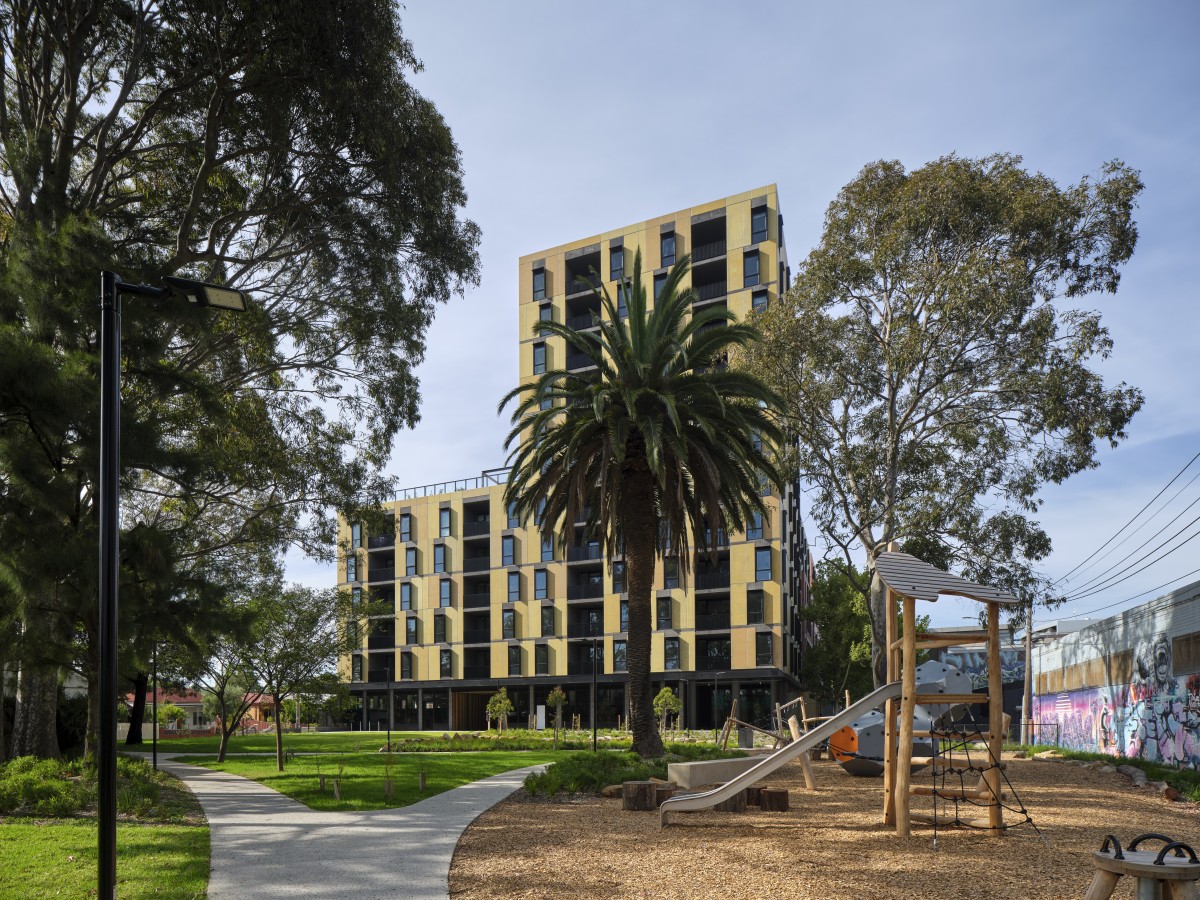
Continue the exploration at Social Housing at Northumberland Road, Pascoe Vale and South Yarra Prahran Social Housing: Understanding Old, Celebrating New. Together, these projects highlight how contemporary social housing is being reimagined through accessible design, sustainability, community-building and a renewed focus on resident wellbeing.
For a larger-scale vision, visit Moonee Valley Park, a 40-hectare neighbourhood designed around the idea of a park-first community. Its integration of landscape, housing and walkable amenities demonstrates how higher-density living can coexist with abundant green space and strong connections to nature.
See how apartment living continues to evolve at Piccolo House Gore Street, where generous communal spaces, integrated landscaping and carefully considered design extend living beyond the apartment itself, creating a richer residential experience within a dense urban setting.
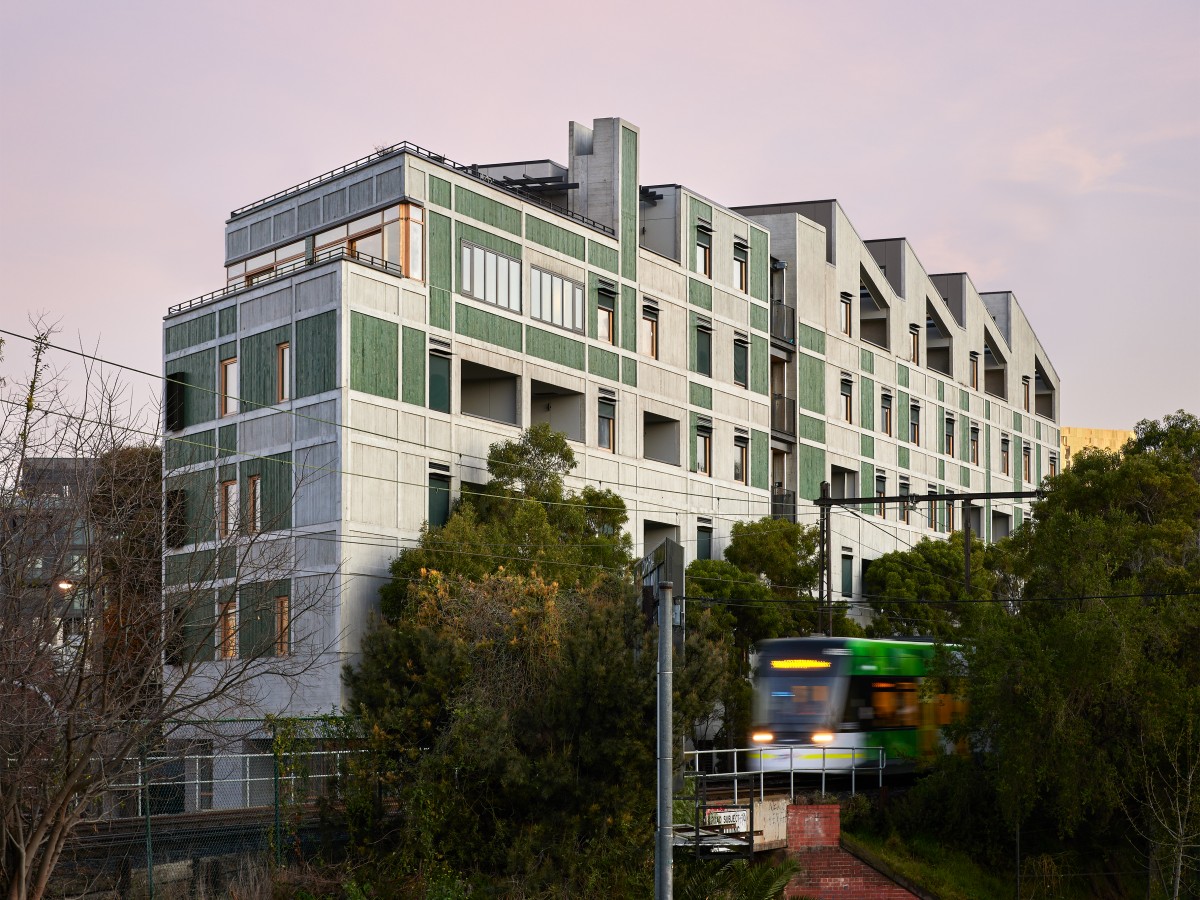
At HV.Hotel at Ferrars & York, visitors can experience the benefits of sustainable apartment living firsthand. With its all-electric design, high energy performance and focus on low-impact living, it offers a glimpse into what future urban housing can be.
Together, these projects demonstrate that density is not simply about accommodating more people. When paired with thoughtful design, access to services, quality public spaces and strong community connections, density can help create more inclusive, sustainable and resilient neighbourhoods for Melbourne’s future.